Patient Simulator

Simplifying complex clinical data for healthcare providers

Designed a tablet-based healthcare experience that helped sales representatives communicate complex clinical trial data in a clearer, more engaging, and conversation-driven way during provider interactions.

Impact

  • Transforming static clinical trial presentations into interactive product experiences
  • Simplifying complex healthcare data through guided visual storytelling
  • Designing tablet-first workflows optimized for live healthcare provider conversations
  • Building scalable foundations for future treatments, markets, and educational experiences

Project Snapshot

Role

Led end-to-end product design across UX strategy, interaction design, prototyping, and high-fidelity UI design, shaping the experience from concept through delivery.

Collaboration

Worked closely with product managers, developers, medical stakeholders, and brand teams to align business needs, medical accuracy, and user experience goals.

Project Scope

Designed a tablet-based healthcare experience focused on clinical trial visualization, patient cohort simulation, and more engaging provider education workflows.

Business Goal

Improve healthcare provider engagement by transforming complex clinical data into clearer, more interactive, and conversation-driven experiences.

The problem

Healthcare providers were often presented with dense clinical trial data through static PDFs and fragmented materials, making conversations difficult to navigate and harder to personalize during live presentations.The experience needed to simplify large amounts of clinical information while helping sales representatives guide more engaging and meaningful provider discussions.

  • Communicating complex medical datasets in digestible ways
  • Supporting live conversations during healthcare provider meetings
  • Simplifying navigation across large amounts of clinical information
  • Creating scalable foundations for future treatments and educational experiences

Design Process

Breaking complex tasks into clear steps reduced the burden on participants navigating the exchange.

Discovery & Ideation

  • Understand the problem and user workflow and clinical data complexity
  • User research and understanding workflows
  • Initial wireframes

Prototype and Test

  • Build Mid-fi clickable prototype
  • Usability testing
  • User testing report

Visual design

  • User test wireframe updates
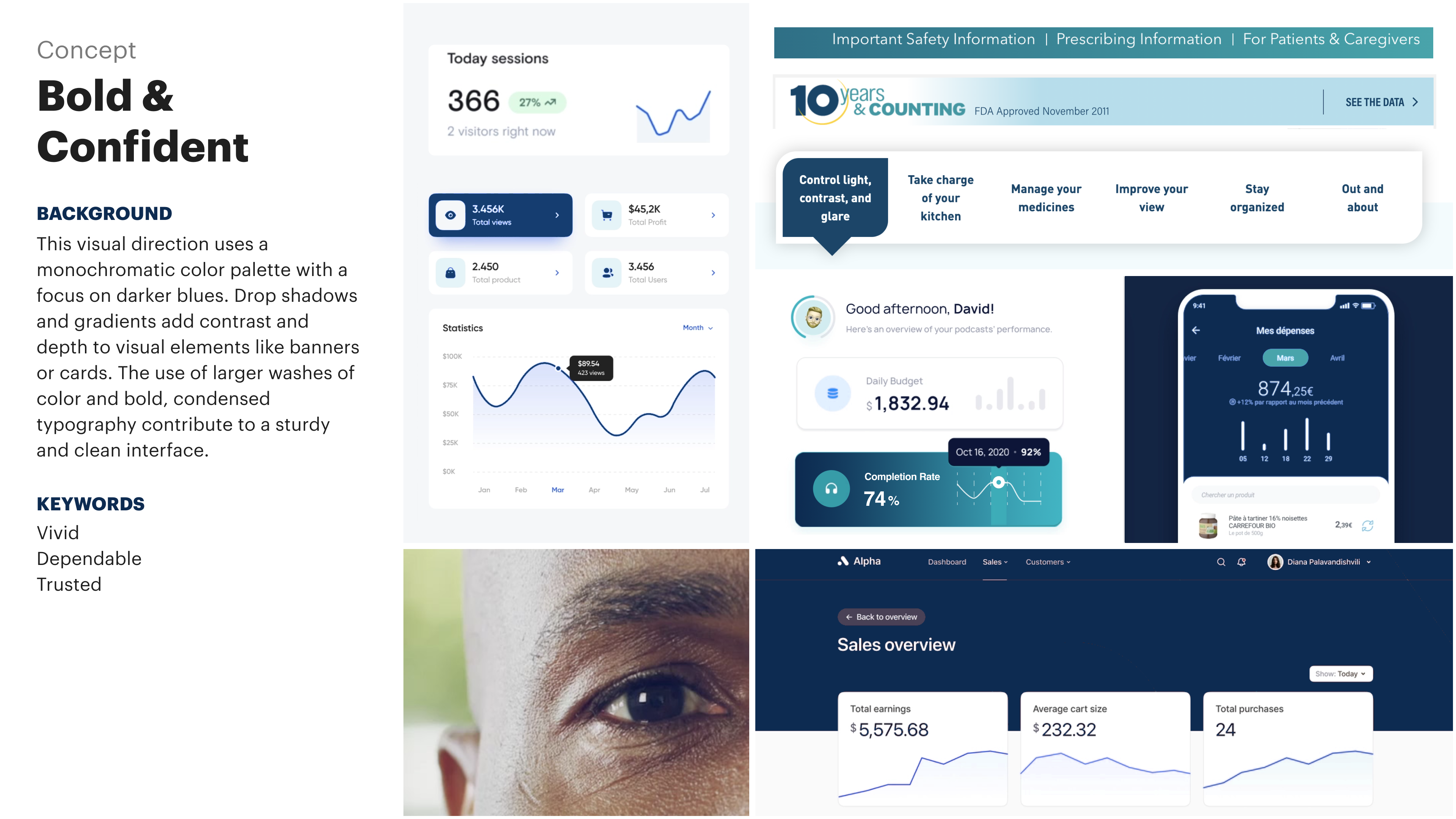
  • Mood board exploration
  • UI Hi-FI Wireframes

Built

  • UI Screens production
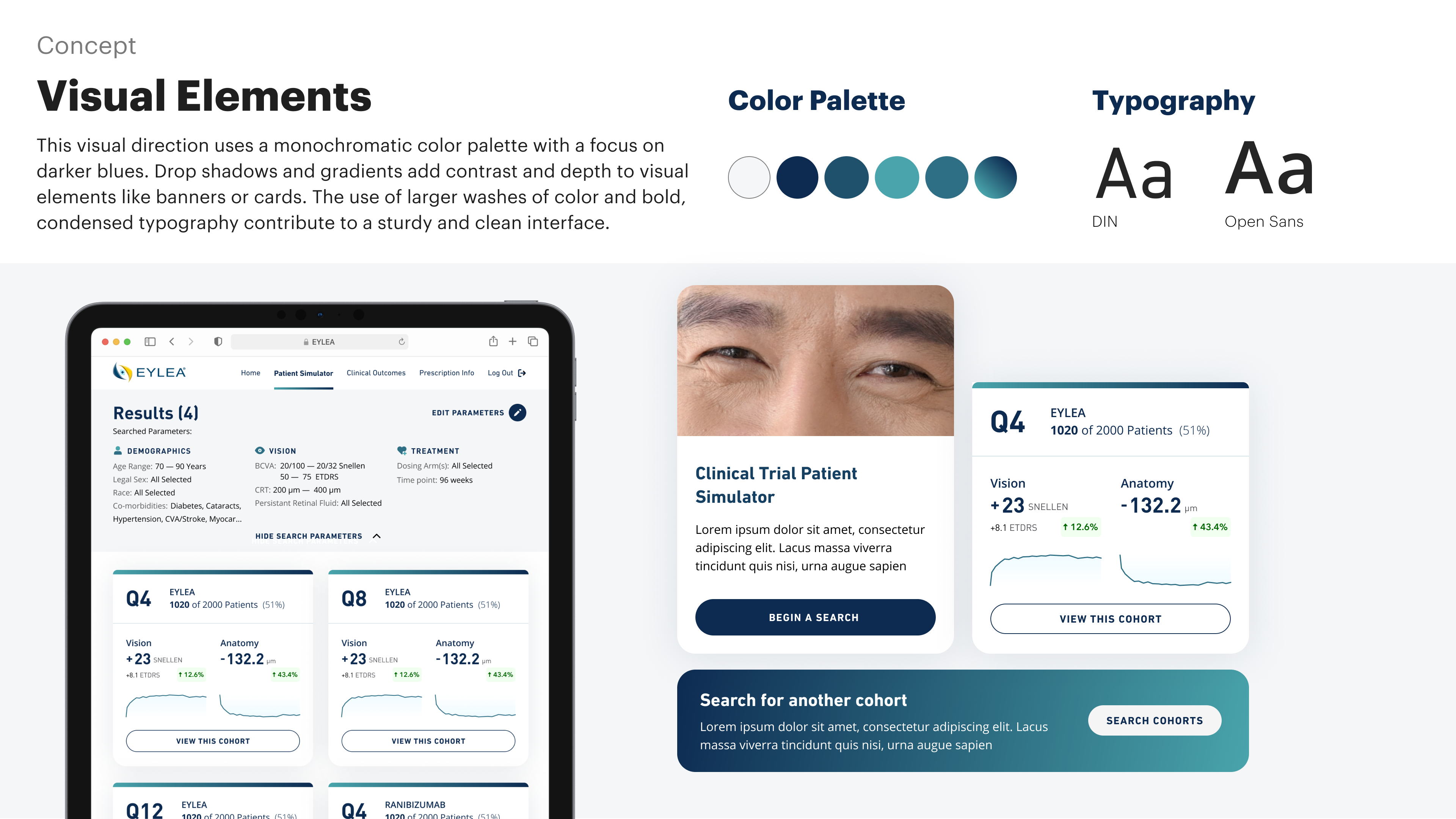
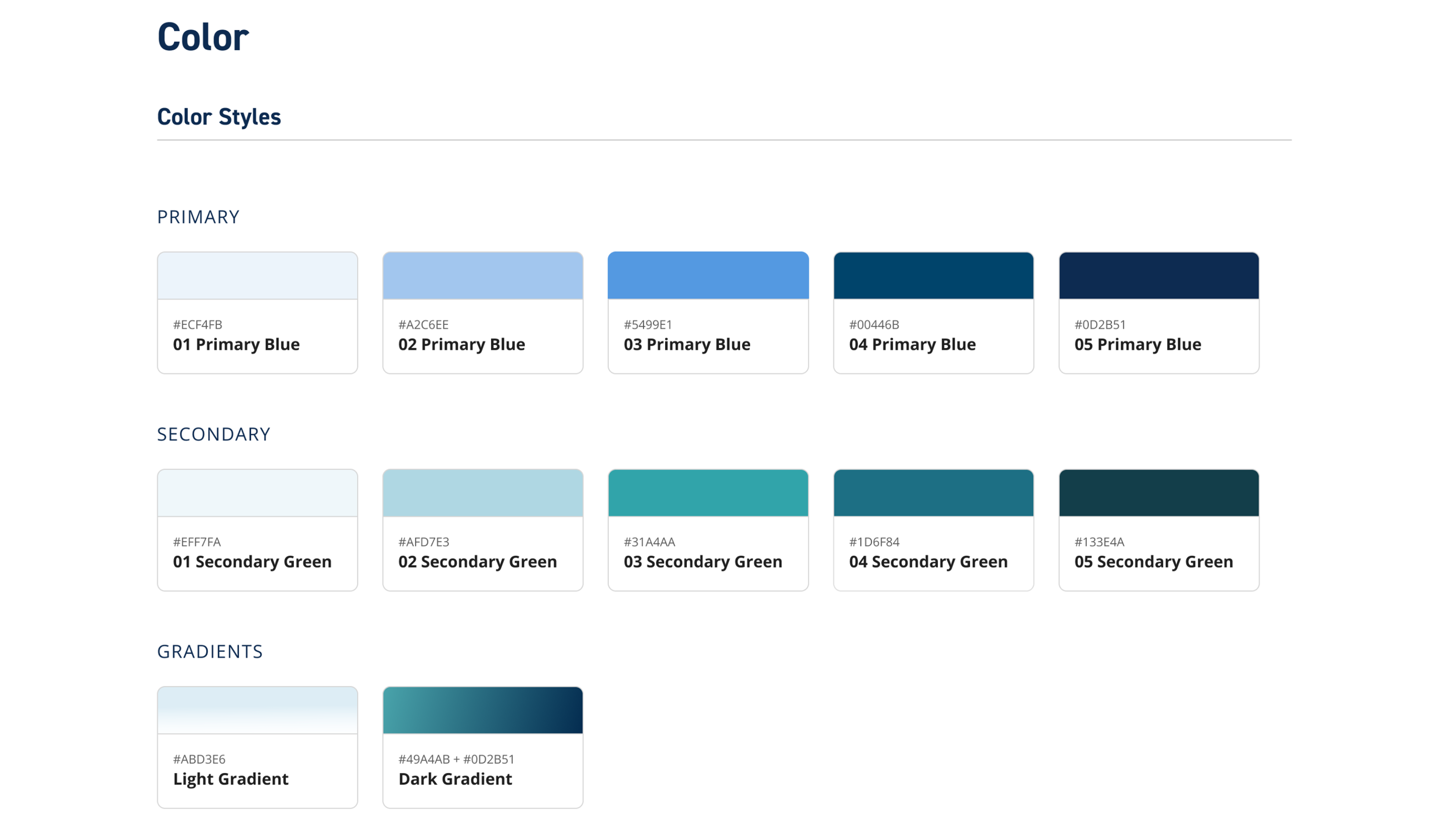
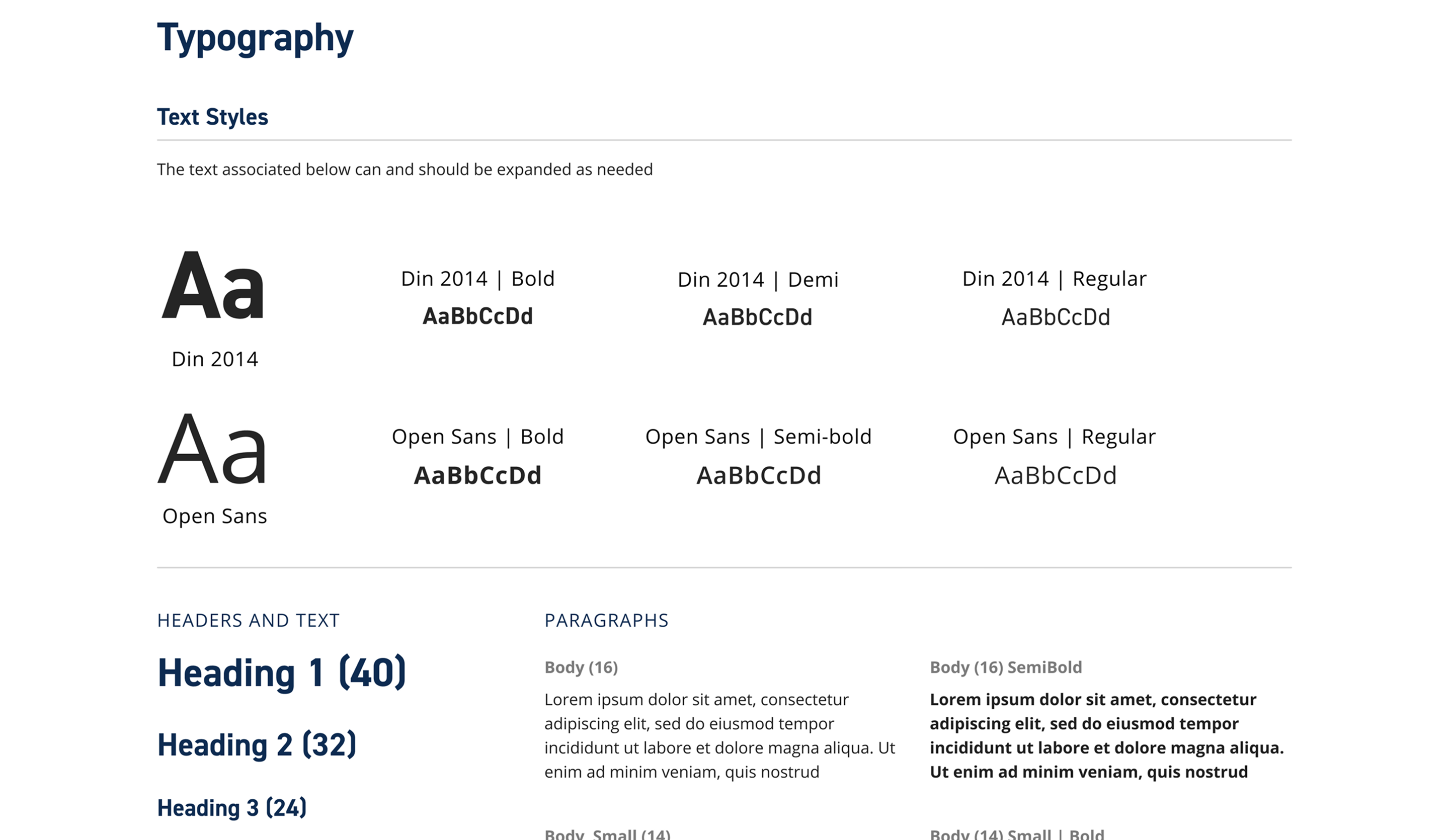
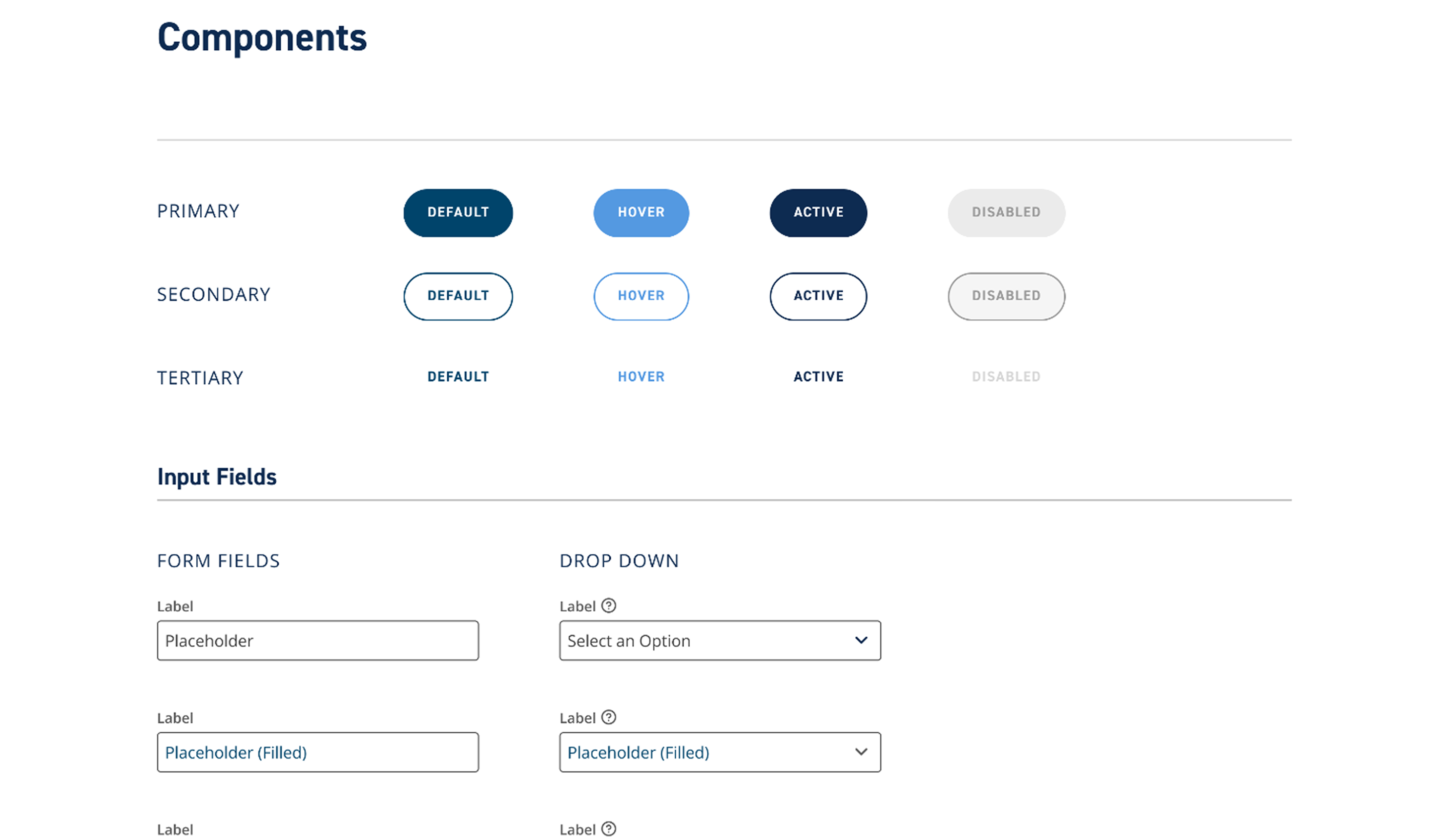
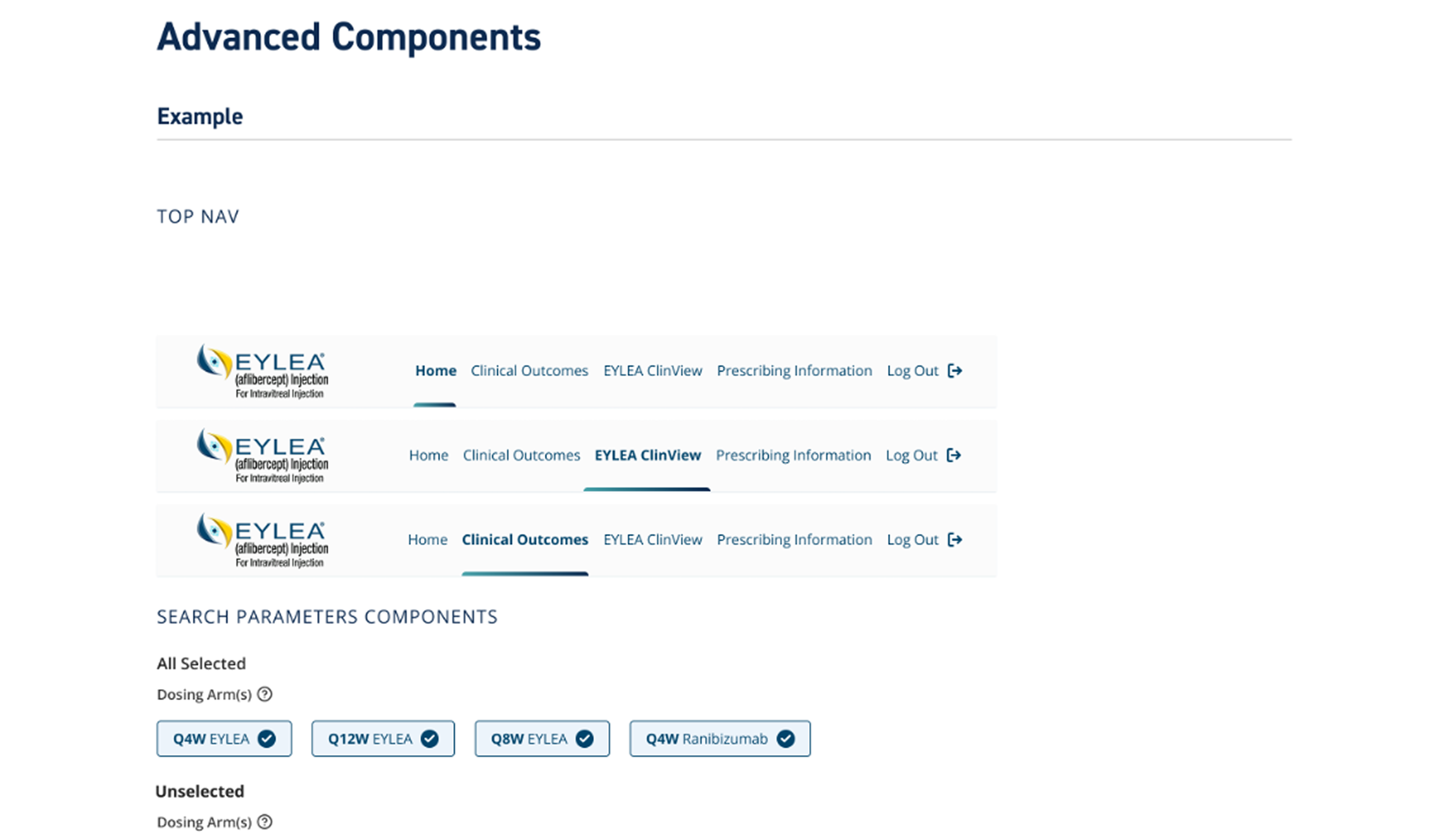
  • Build visual style guide
  • Coordinate fabrication

Strategic Design Decisions

The experience framework was designed to support provider conversations through modular storytelling, simplified navigation, and scalable interaction patterns that could evolve across future treatments and educational content.

Turning Data Into Conversations

Reorganized complex clinical information into guided experiences that supported more natural and engaging provider discussions.

Designing for Live Presentations

Optimized interactions and navigation for tablet-based usage during live healthcare conversations and presentations.

Simplifying Clinical Complexity

Reduced cognitive overload through modular layouts, clearer hierarchy, and digestible visual patterns.

Building Scalable Foundations

Created reusable UI structures capable of supporting future treatments, educational content, and global adaptations.

Design Solution

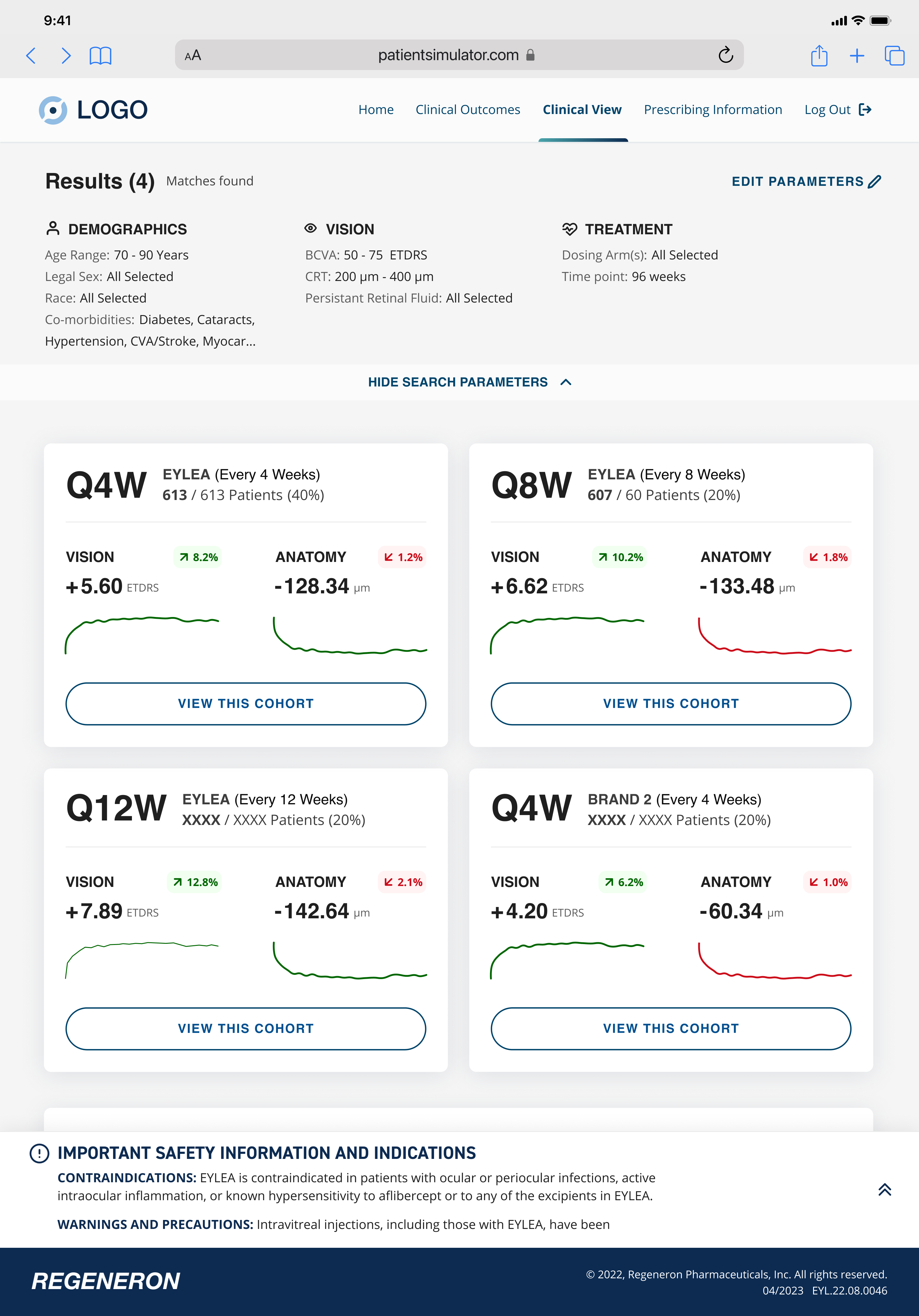
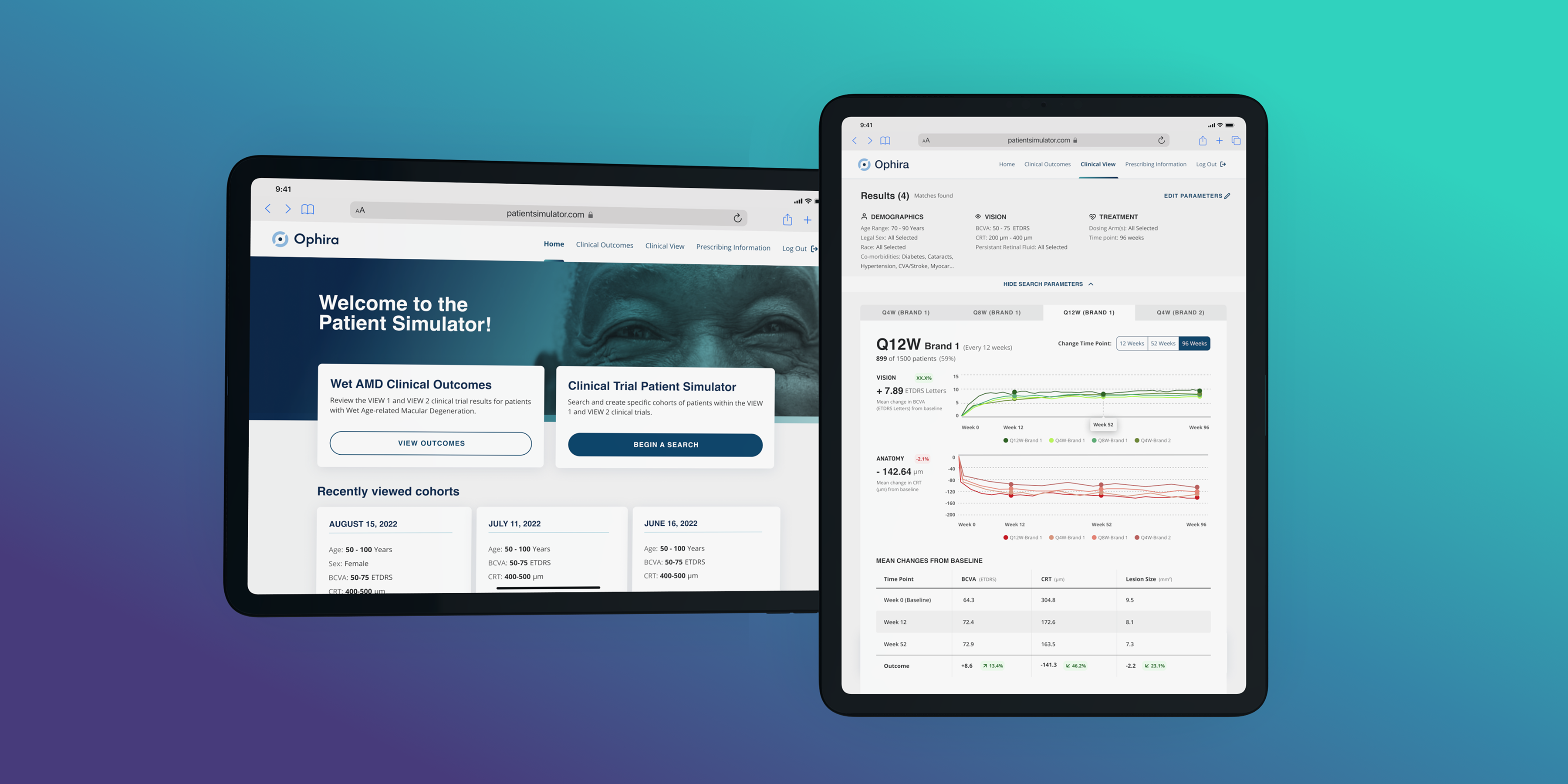
The final experience transformed complex clinical information into a more intuitive and presentation-friendly platform centered around guided navigation, modular storytelling, and simplified data visualization.
The experience enabled sales representatives to communicate treatment outcomes more clearly while supporting more engaging healthcare provider conversations.

Landing Page
Cohort Details
Results
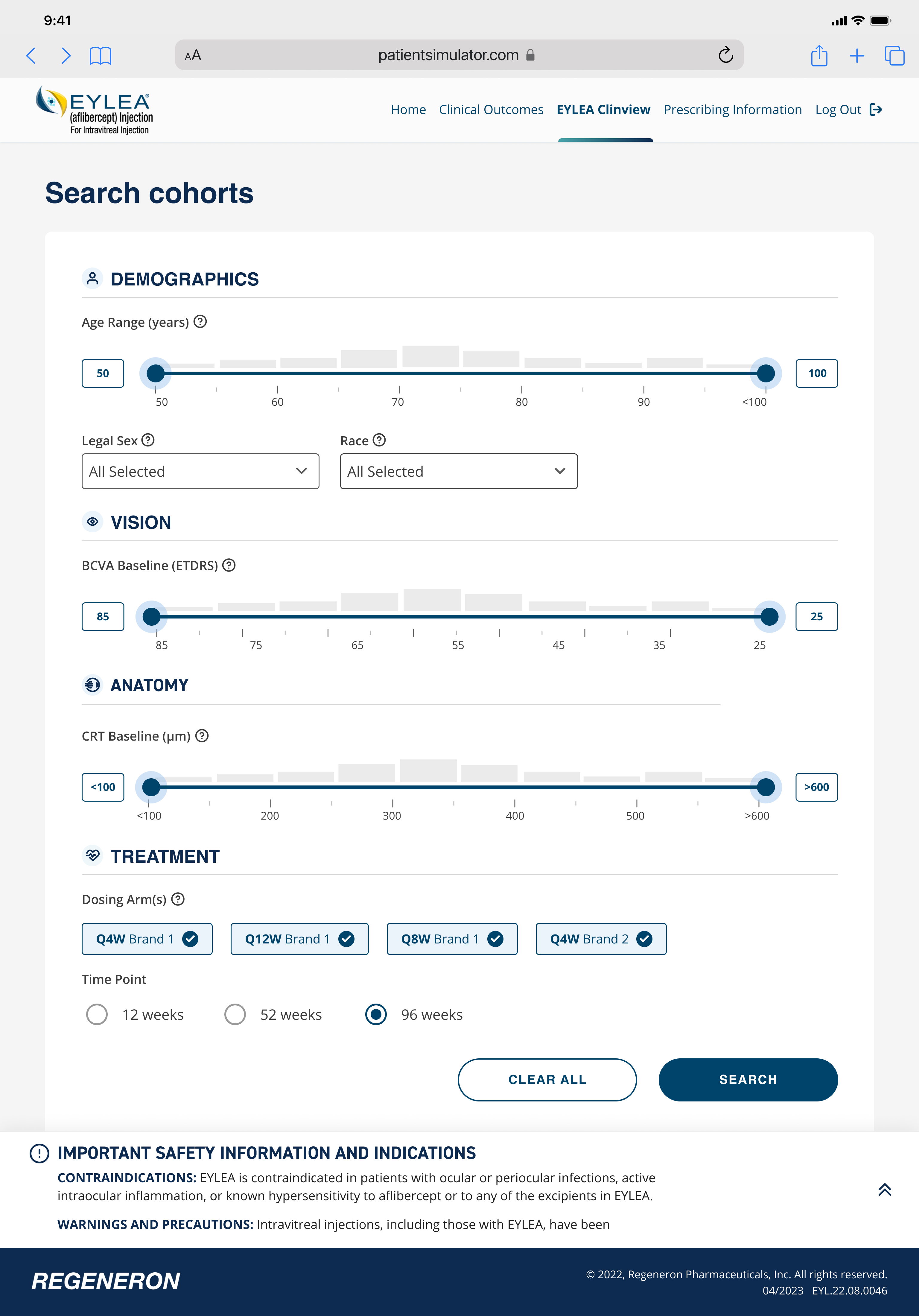
Search Cohorts

Next Steps

  • Expand educational experiences with additional treatment content
  • Enable more personalized provider conversation workflows
  • Continue refining navigation and data visualization patterns
  • Explore analytics and feedback loops to measure engagement and usability

Discovery & Ideation

We conducted workshops and usability sessions with sales reps to understand how they currently navigate and communicate clinical data.
The goal was to identify:

  • Where friction exists
  • How reps prepare for conversations
  • What information actually matters in practice

Key Insights:

  • Sales reps don’t need full datasets, they need clear talking points
  • Time with HCPs is limited, information must be fast and scannable
  • Confidence comes from understanding the story, not memorizing data
  • Preparation happens before meetings, not during
  • Preparation happens before meetings, not during

These insights shifted the direction from data exploration → conversation enablement

Our Users

Sales Reps

Sales reps are responsible for communicating complex clinical information to HCPs in a clear and persuasive way.
They need tools that:

  • support real-time conversations
  • reduce cognitive load
  • increase confidence when explaining treatment outcomes

HCPs (indirect user)

Healthcare providers are the audience of these conversations.
They expect:

  • clear, accurate information
  • relevant patient scenarios
  • fast understanding of treatment impact

Visual Direction

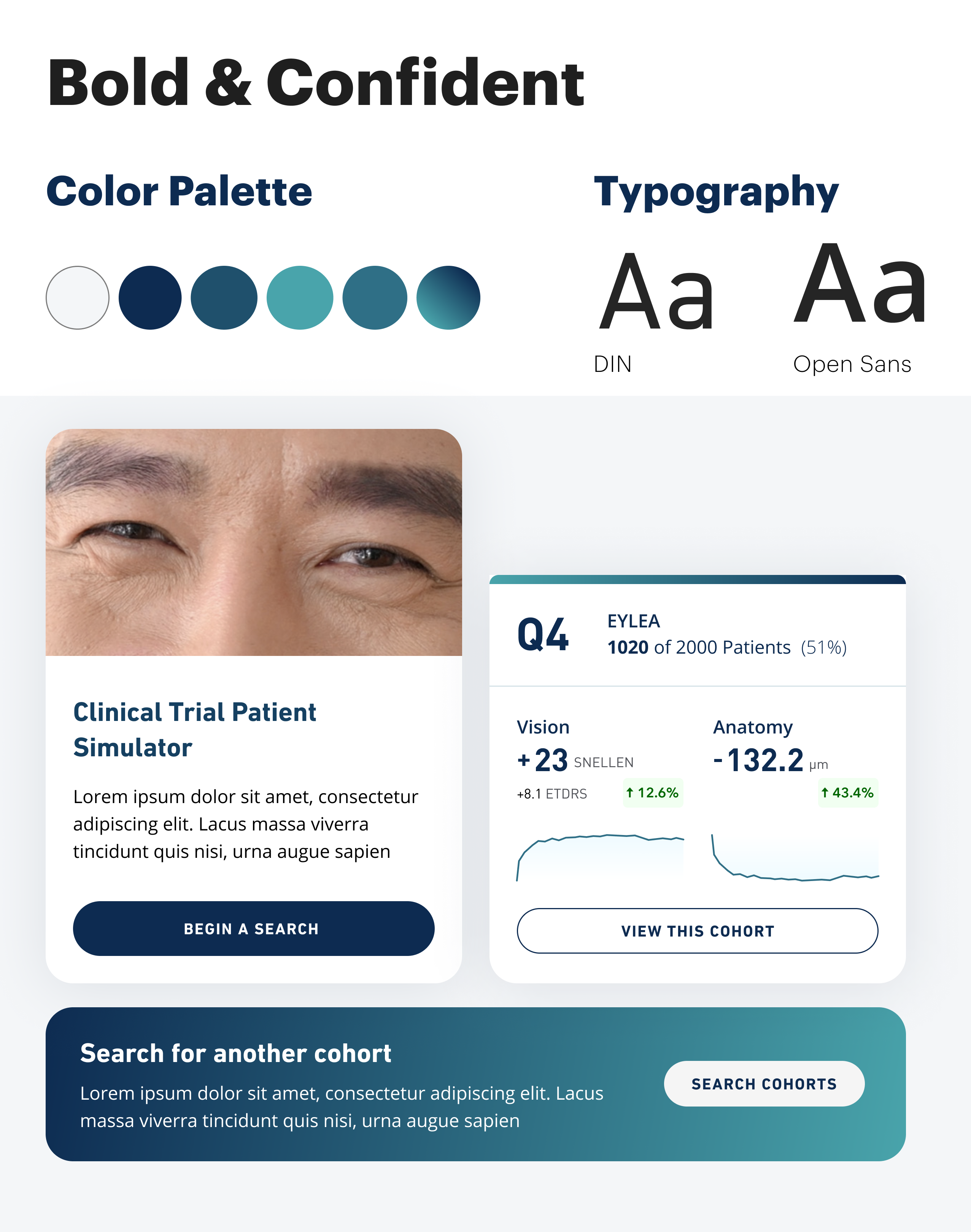
I established a modular UI system that balanced clinical precision with conversational clarity.
The visual language emphasized hierarchy, accessibility, and reusable components to ensure scalability across medications while aligning with brand standards.

Prototype & Testing

High-fidelity prototypes were developed and tested with representative users to validate navigation clarity, content hierarchy, and conversational flow.

Testing Goals:

  • Validate information findability
  • Measure clarity of treatment scenarios
  • Assess conversational usability during live simulations
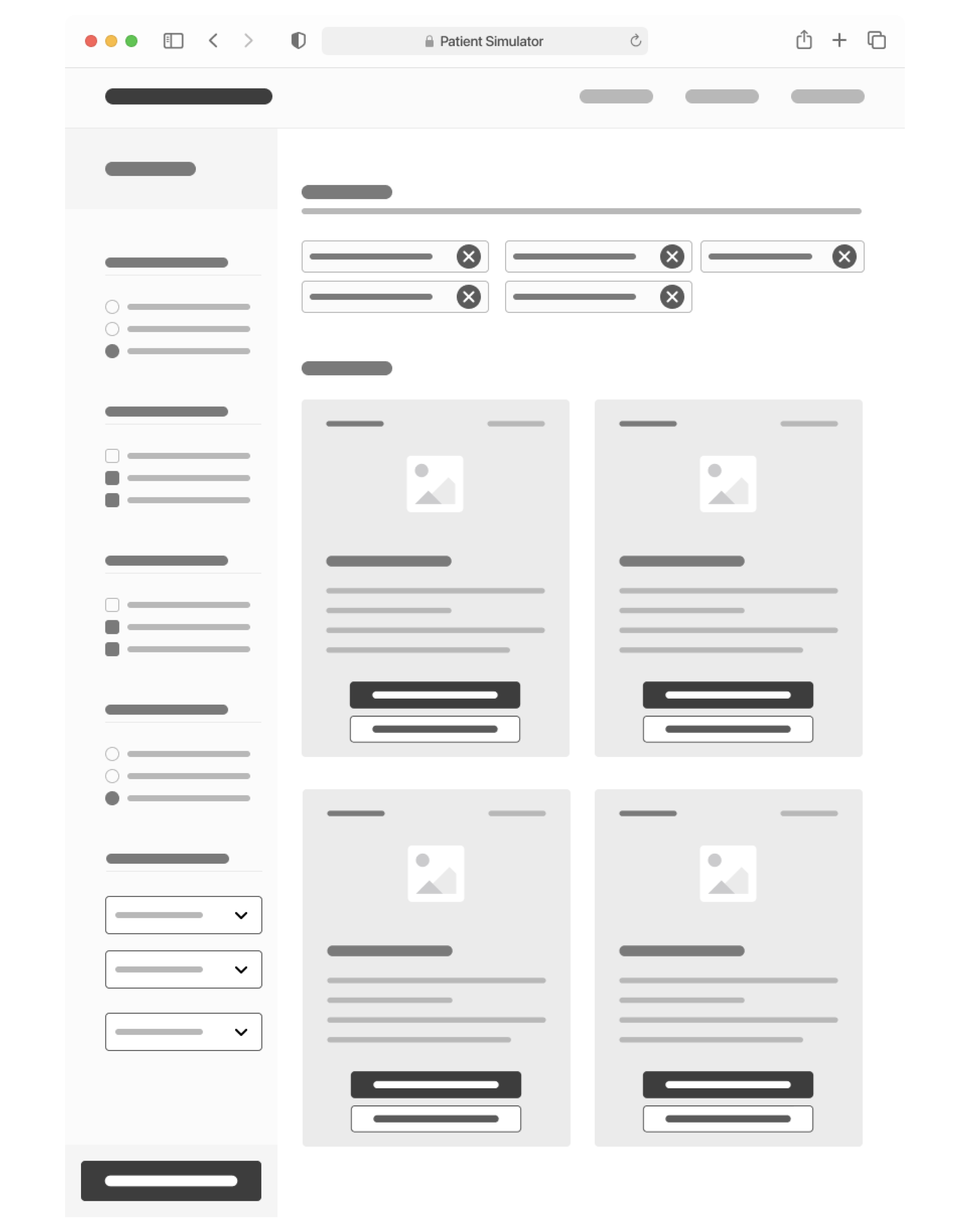
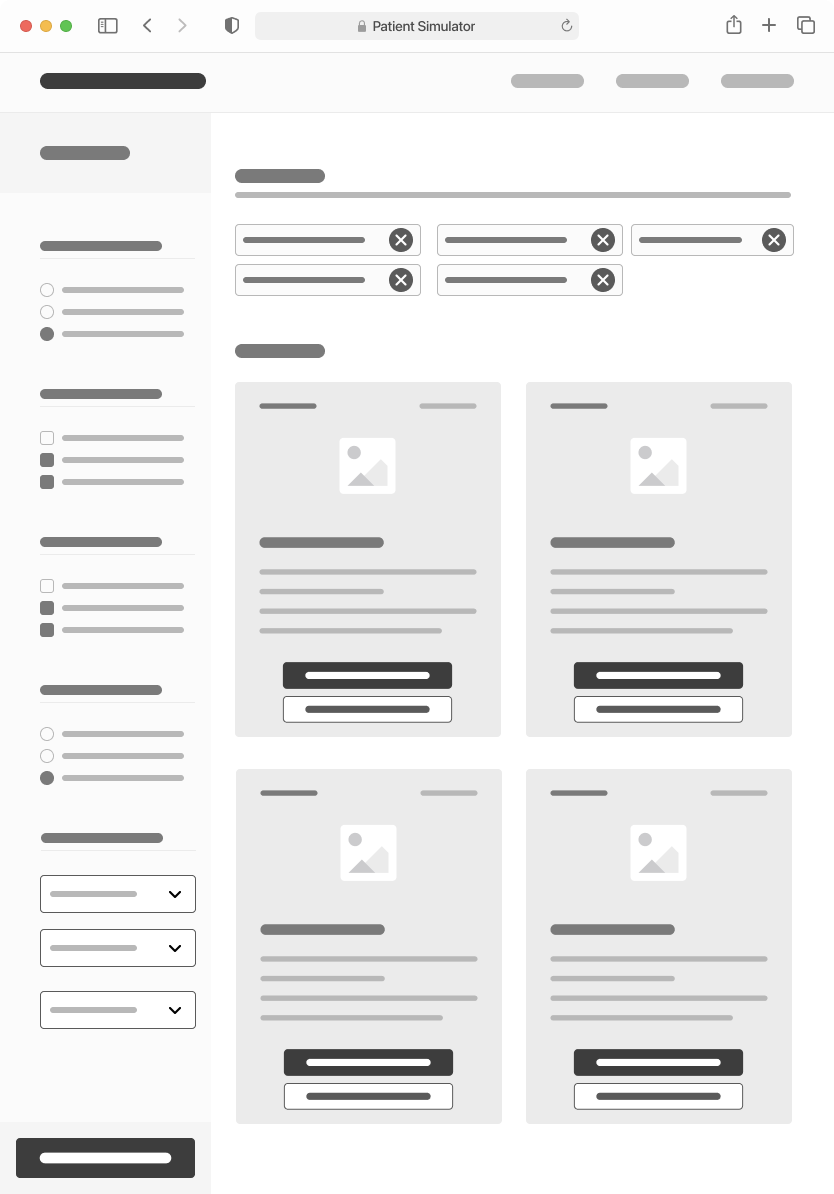
Low-Fi wireframe
Mid-Fi wireframe + Prototype

Key Outcomes

We tested the mid-fi prototype with potential users (sales reps) with 2 different kinds of test
Moderated Usability Tests: Conducted a usability test with 2 of the client's sales reps.
Collaborative Workshop: Collaborative workshop with the field advisory board to demo the prototype (10 sales reps)

Moderated usability sessions confirmed:

  • Strong alignment with real rep workflows
  • Improved clarity when explaining treatment differentiation
  • Faster navigation compared to legacy materials
  • High stated intent to adopt in future HCP engagements

12/12

Users agreed the product will be impactful during their meetings with the HCPs

"

“A more intuitive way of navigating clinical information.”
- User 4

"

100%

of users agreed the product would be impactful in HCP conversations

  • Users showed high confidence in explaining treatment outcomes
  • Simplified layouts significantly improved speed of understanding
  • The product supports storytelling, not just data access
  • High stated intent to adopt in future HCP engagements

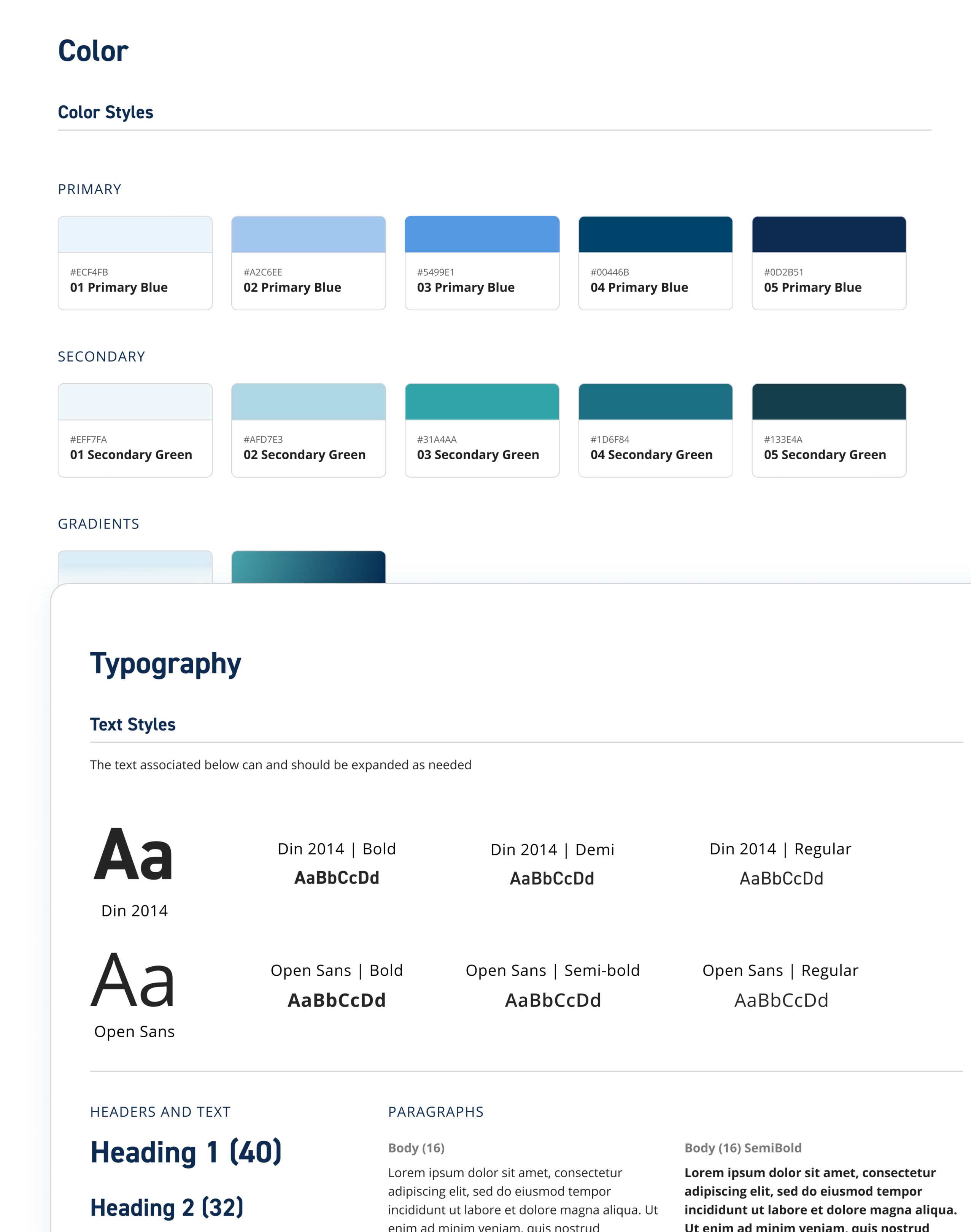
Style guide / Spec Doc

I delivered detailed interaction specs and component documentation to ensure implementation fidelity and alignment across engineering, product, and medical stakeholders.
Close collaboration during build reduced ambiguity and maintained design integrity.

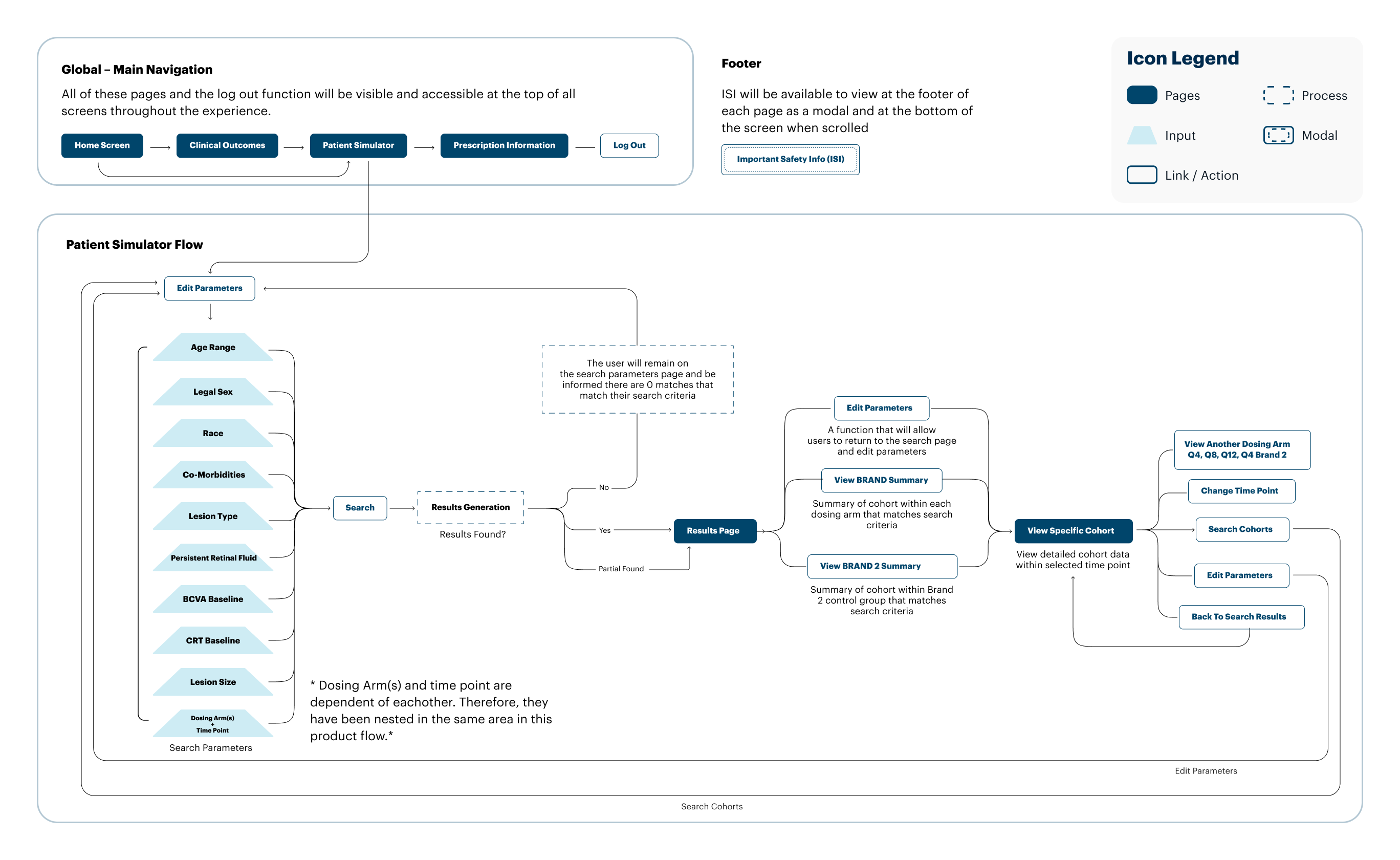
Site map

The experience was structured to support a guided workflow, allowing users to:

  • define patient parameters
  • explore cohort results
  • interpret treatment outcomes

The architecture prioritizes clarity and progressive disclosure, ensuring users are not overwhelmed.

Information architecture designed to support multiple clinical study scenarios and cohorts.